What started as a carefully planned mission quickly ran into something no one could control. By the 18th century, the expedition wasn’t moving forward, it was stuck, literally frozen in place.
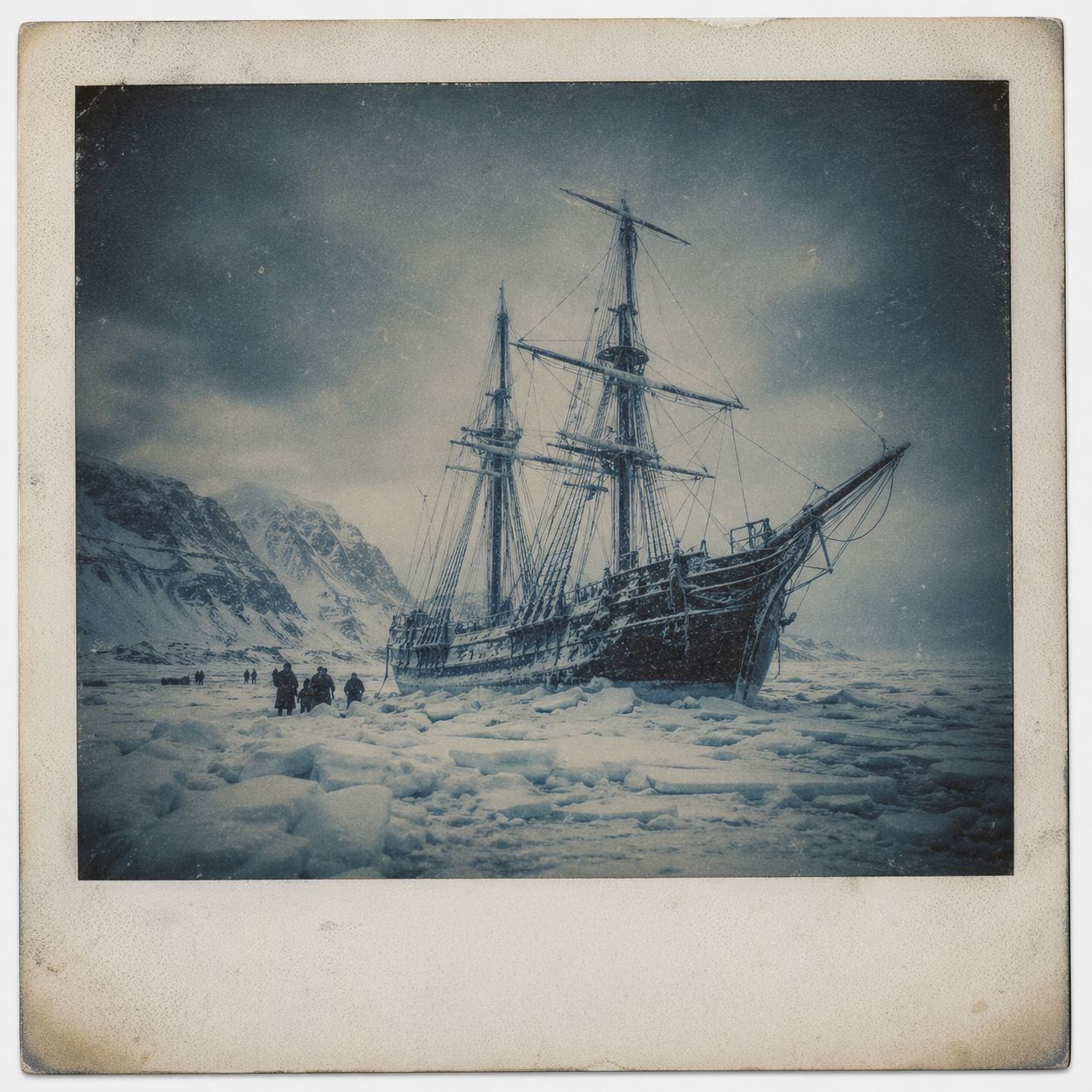
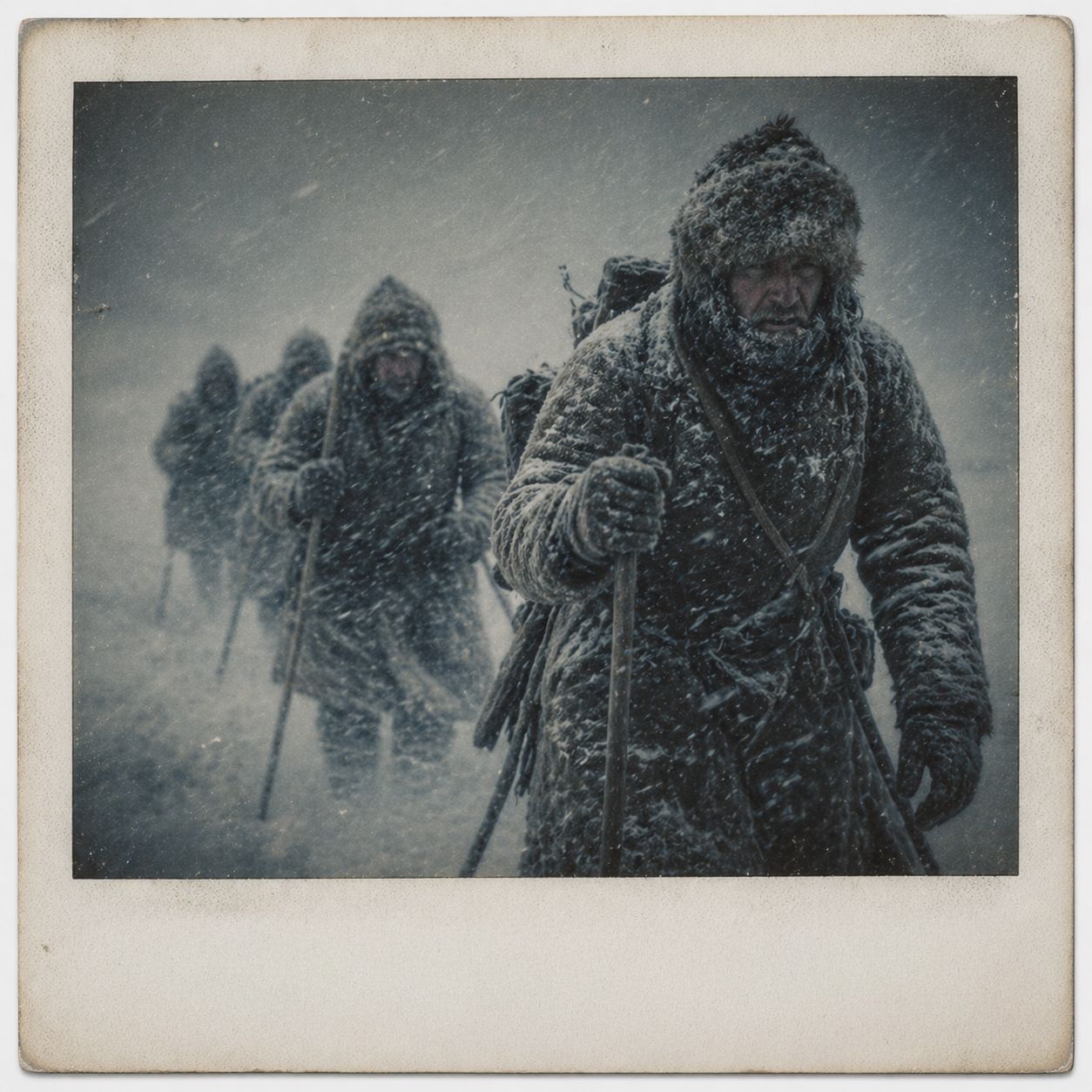
Progress wasn’t about planning; it depended on the weather. Explorers could only move during a short window each year, and even then, conditions were unpredictable and dangerous.
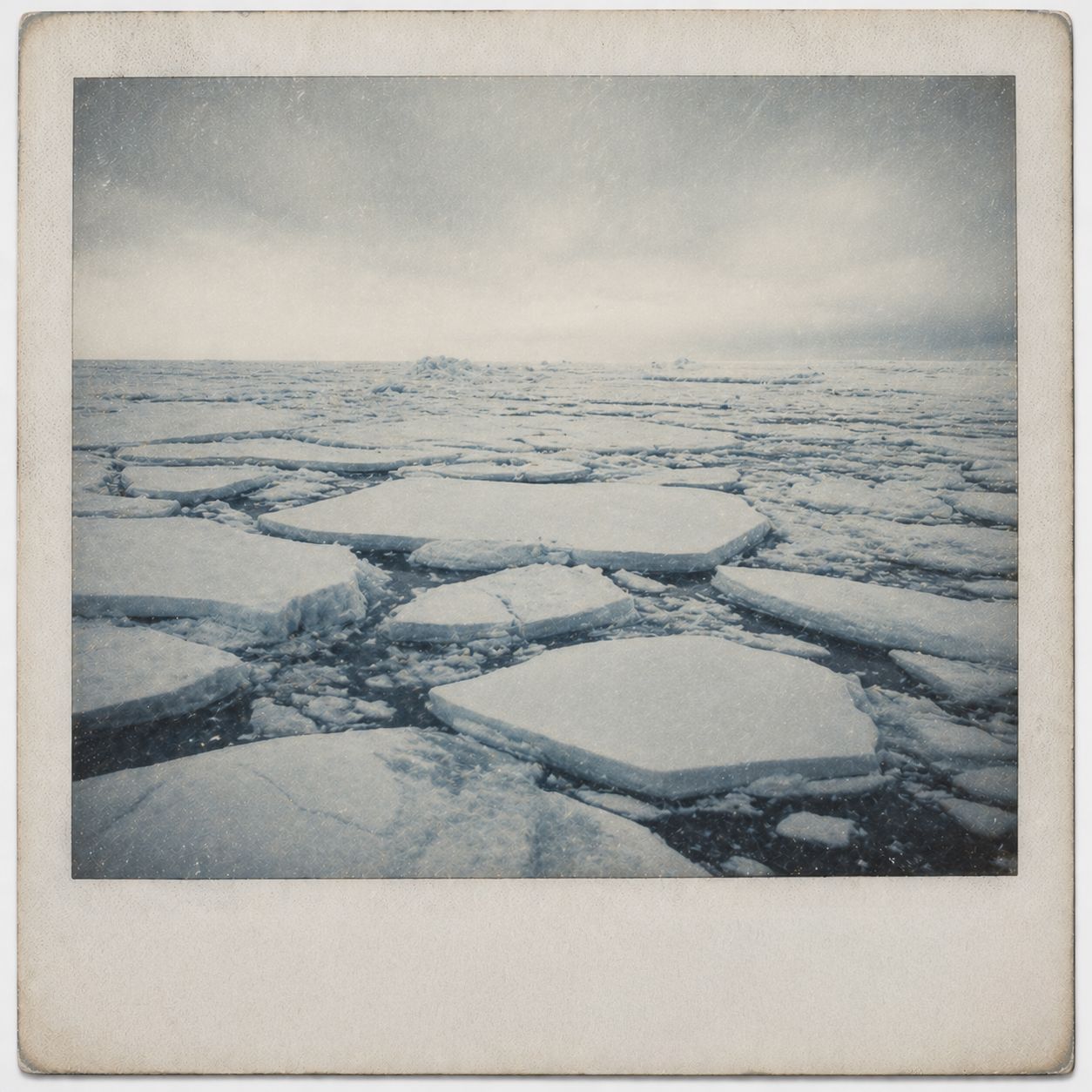
Ice covered the region for most of the year, only breaking apart briefly in the summer. Even then, it never fully disappeared, just enough to make movement possible, but never easy.
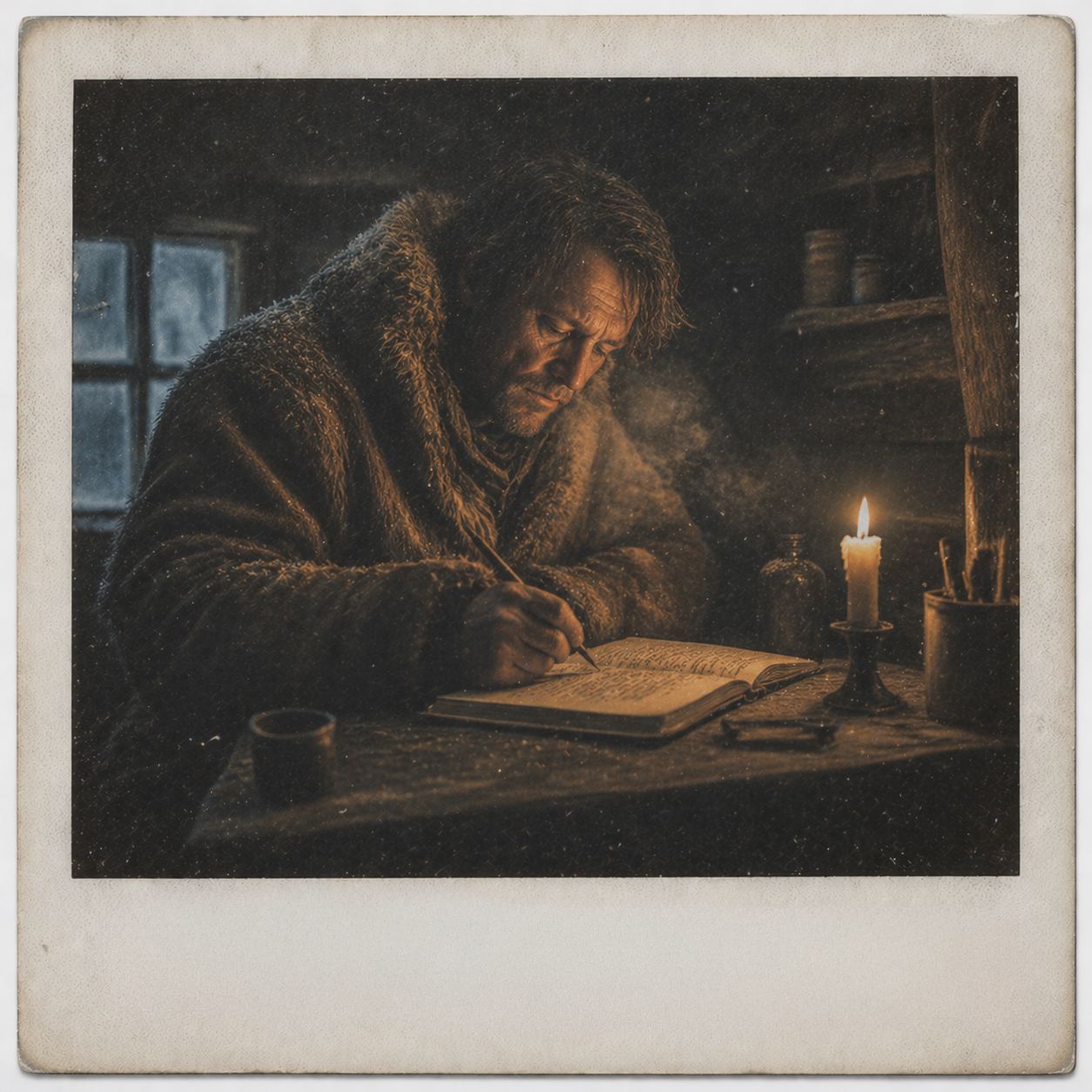
From Steller’s perspective, this wasn’t just exploration; it was constant adaptation. The environment shaped every decision, forcing the expedition to react instead of following a plan.
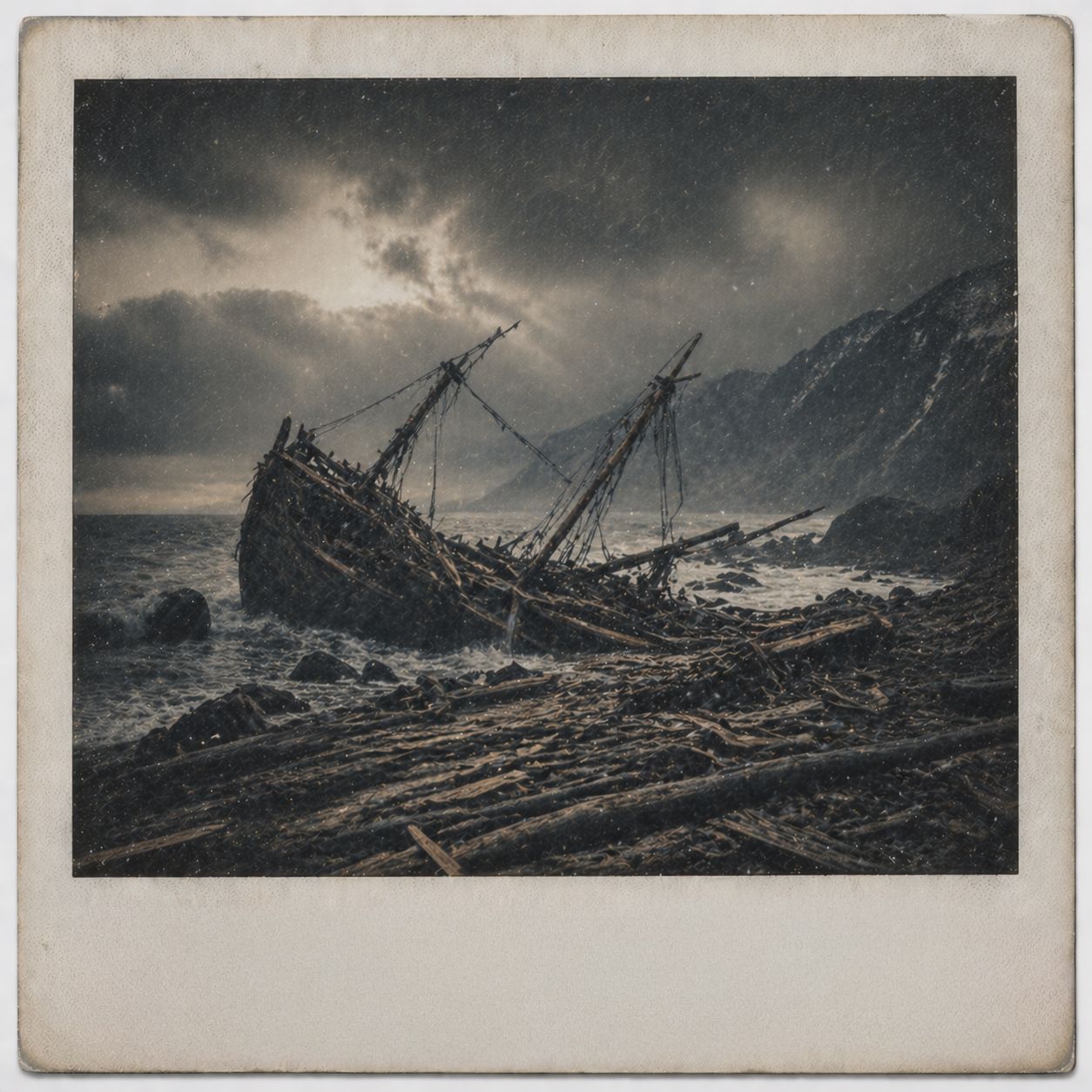
The environment didn’t just slow things down, it pushed explorers backward. Storms and ice could undo weeks of progress in a matter of hours.
Siberia wasn’t just cold, it was vast and isolating. Distance alone made control difficult, turning expansion into something far less predictable than it seemed on paper.
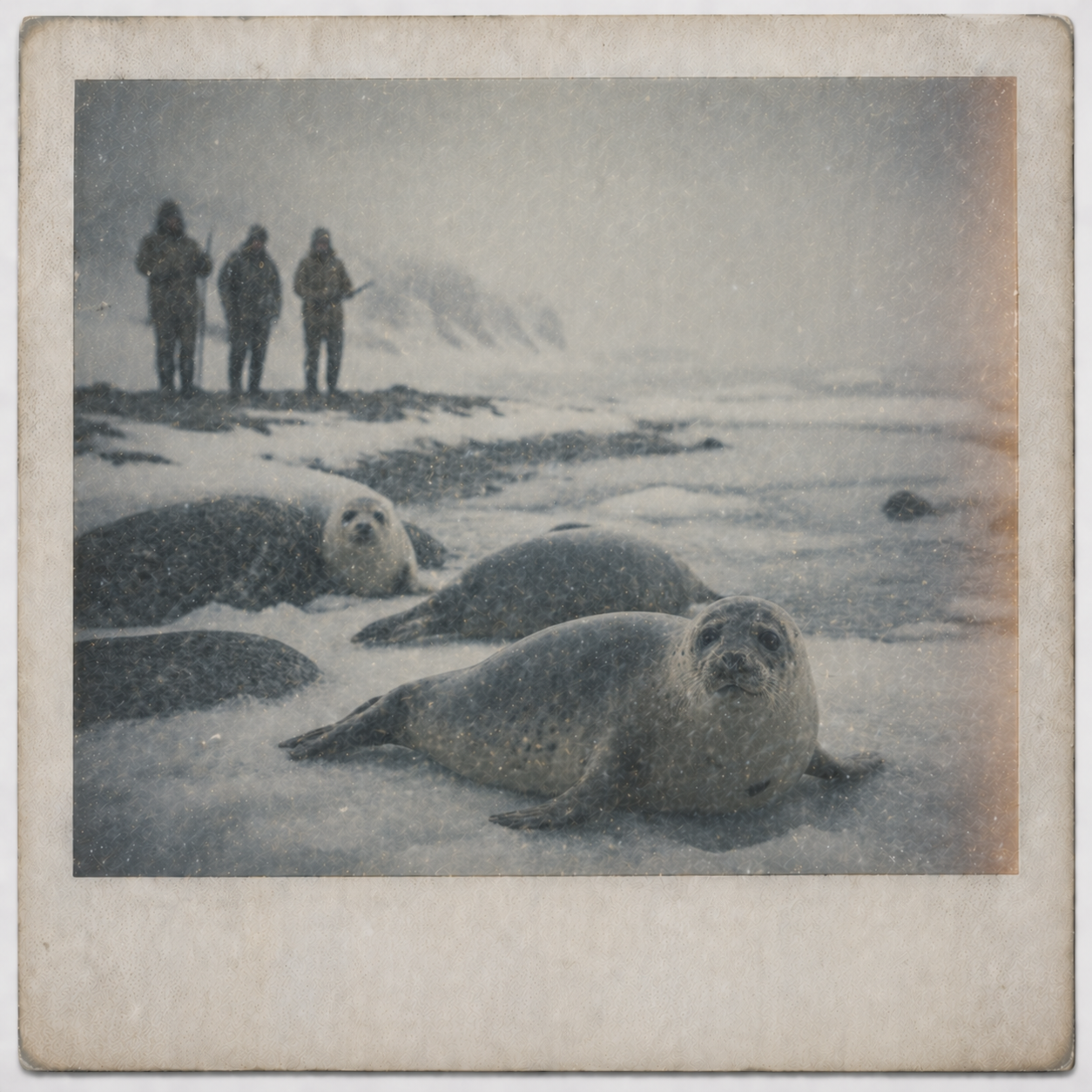
Nature wasn’t just a backdrop to this story, it was an active force. The environment shaped what explorers could do, where they could go, and whether they could continue at all.
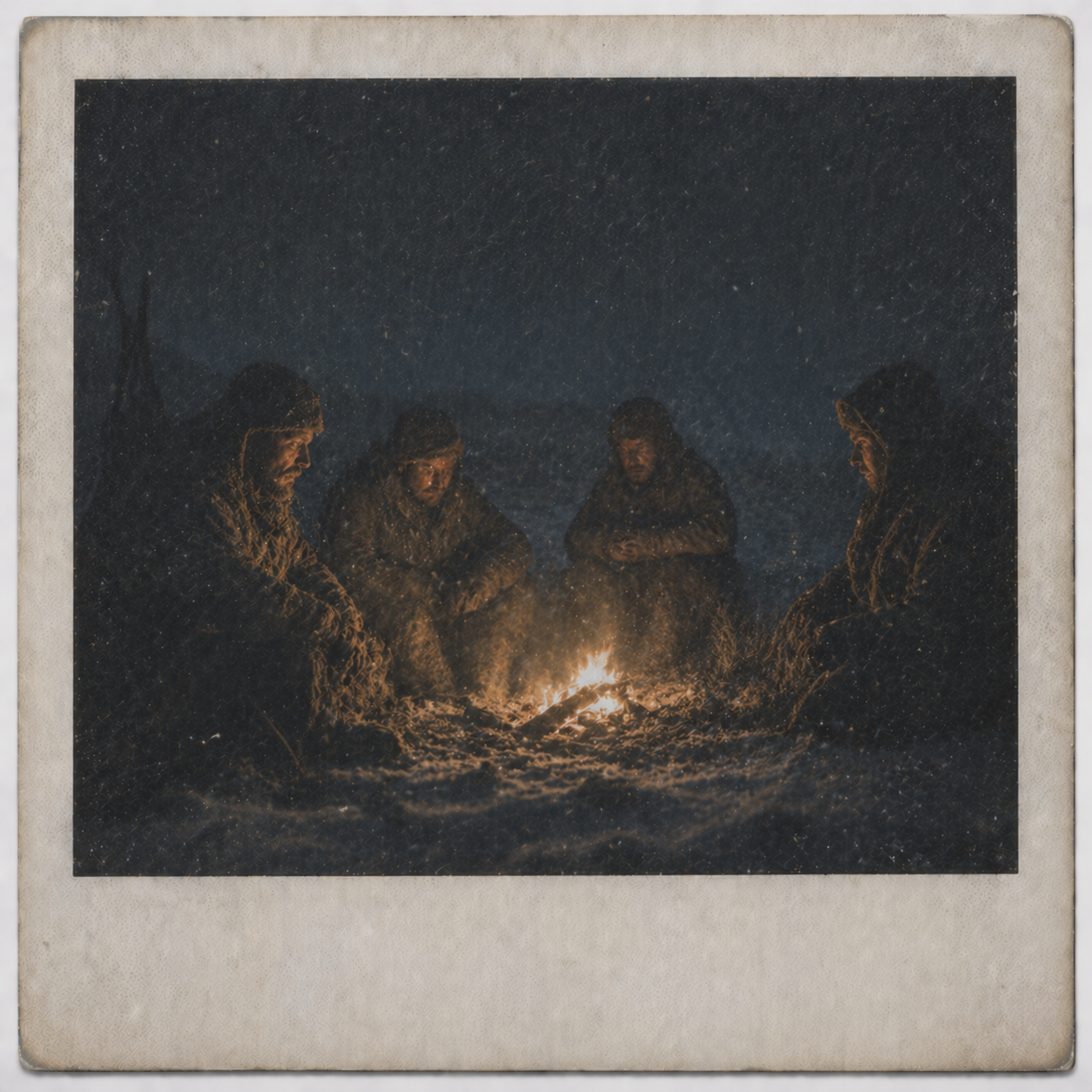
As conditions worsened, the goal of the expedition changed. Survival became more important than discovery, and every decision was made with that in mind.
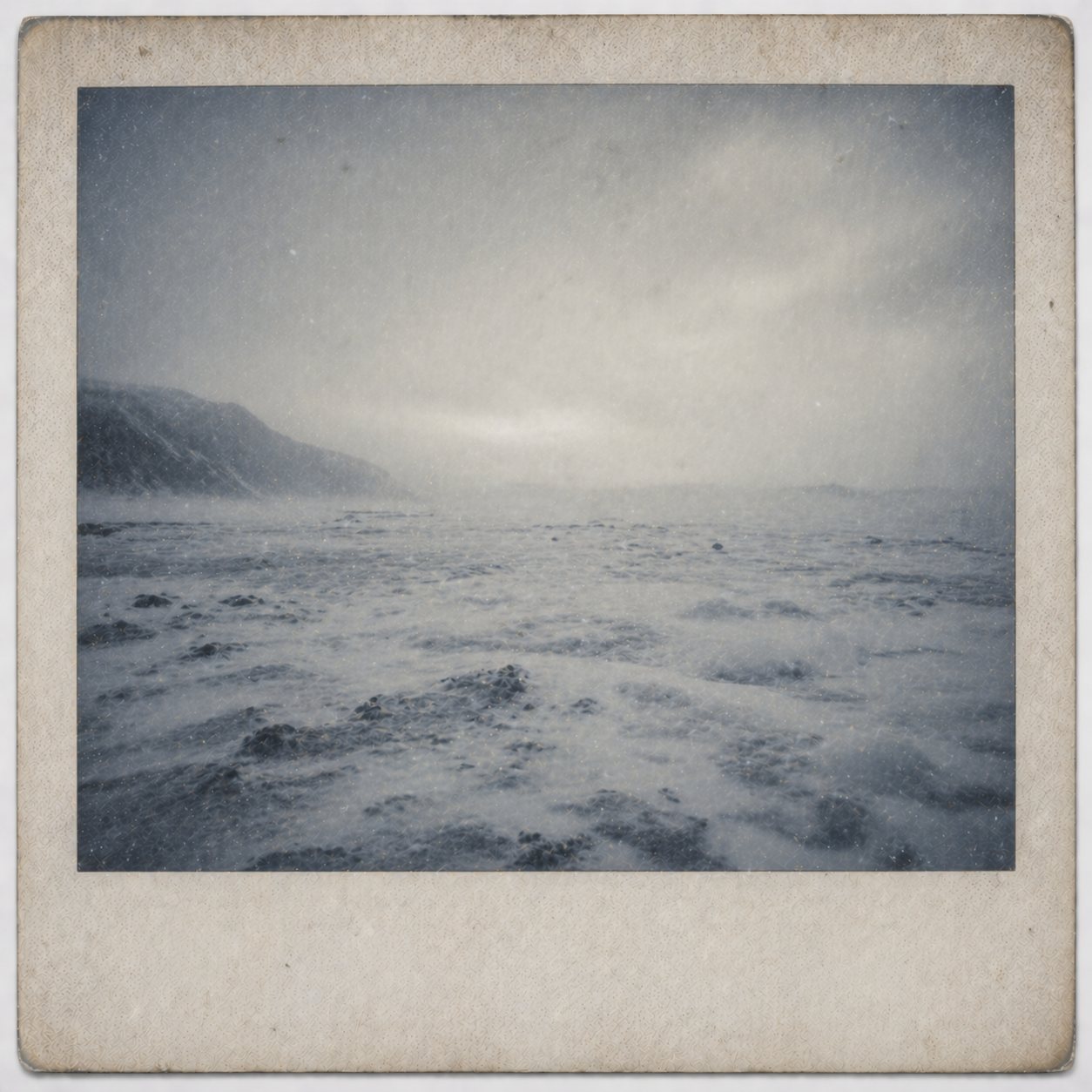
At times, explorers were completely at the mercy of the elements. Storms and shifting ice made it clear that control didn’t belong to the empire, it belonged to the environment.
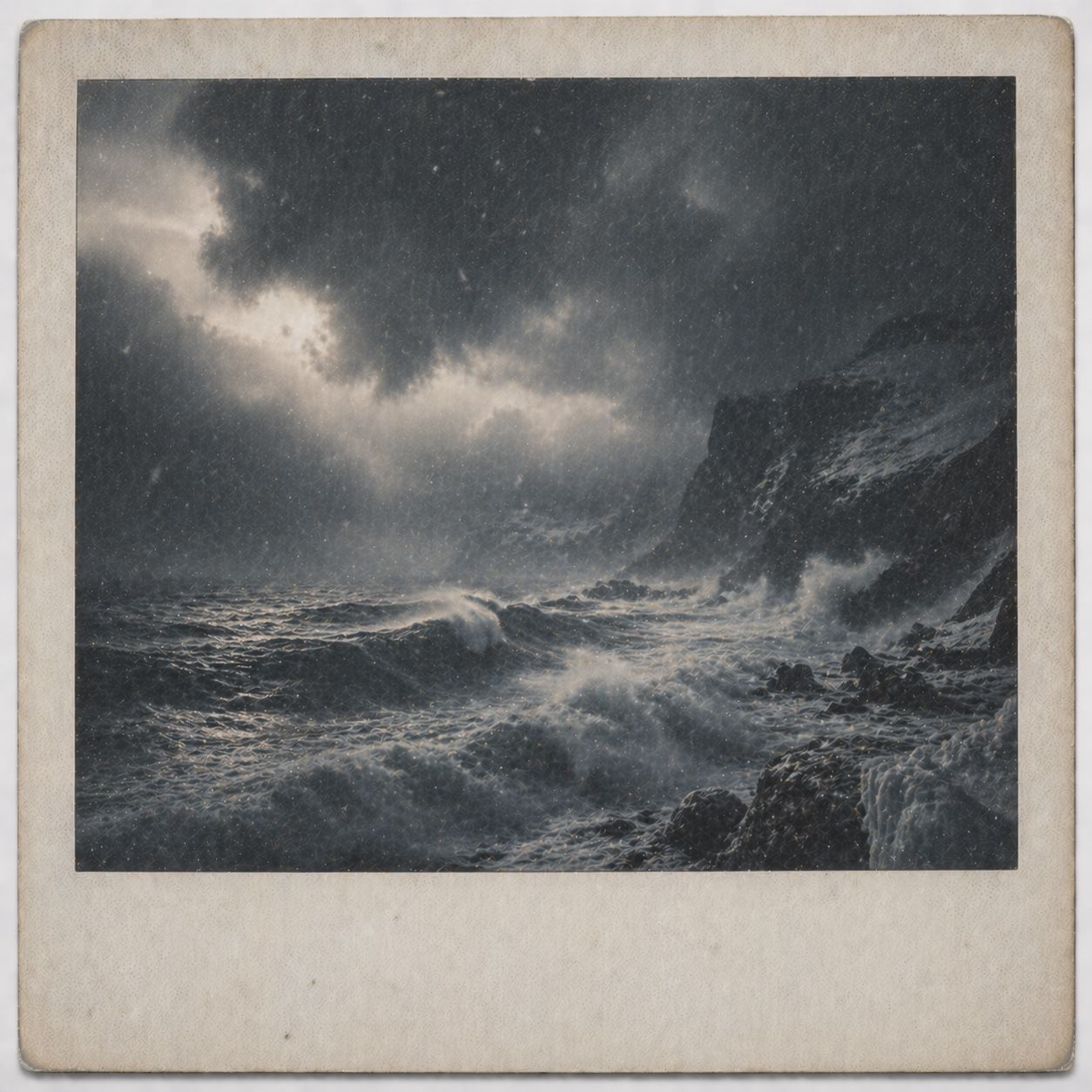
In the end, success wasn’t determined by ambition or planning. It was determined by whether the environment allowed it.
blog
by Colette Mann