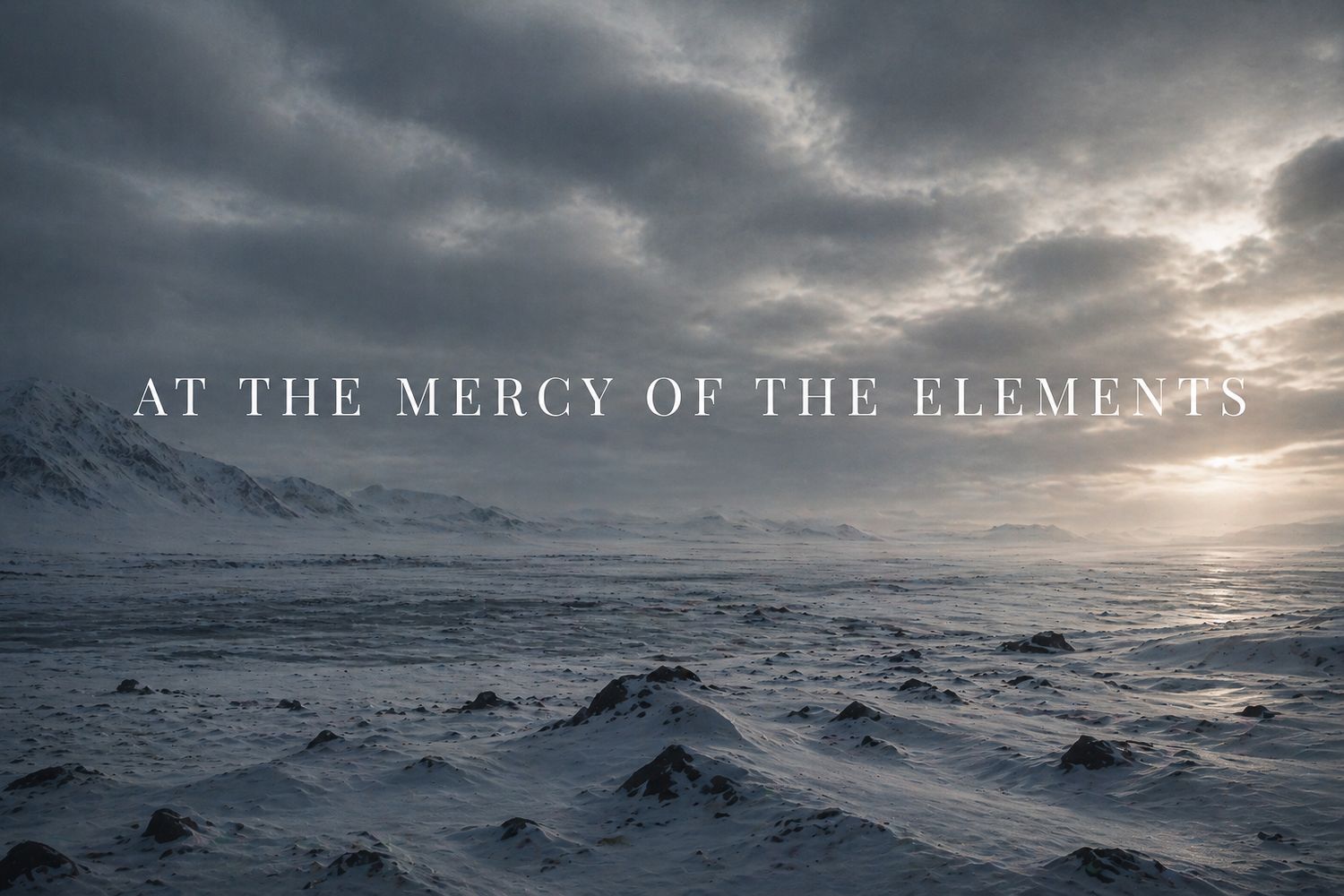
What started as a carefully planned mission quickly ran into something no one could control. By the 18th century, the expedition wasn’t moving forward, it was stuck, frozen in place. Lincoln describes the Arctic environment as “unpredictable, treacherous, and controlled only by the whims of wind and temperature” (Lincoln 1993, 109).
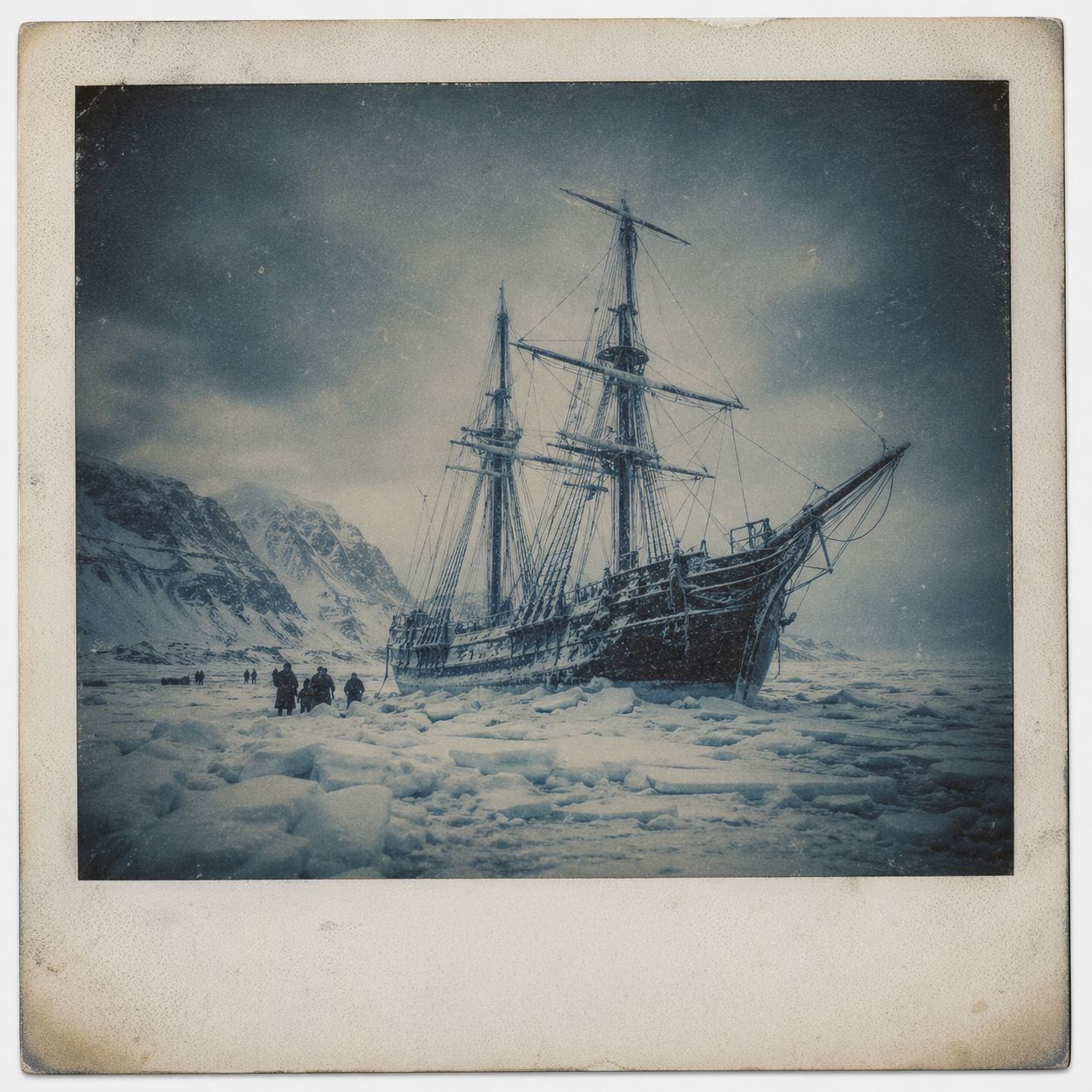
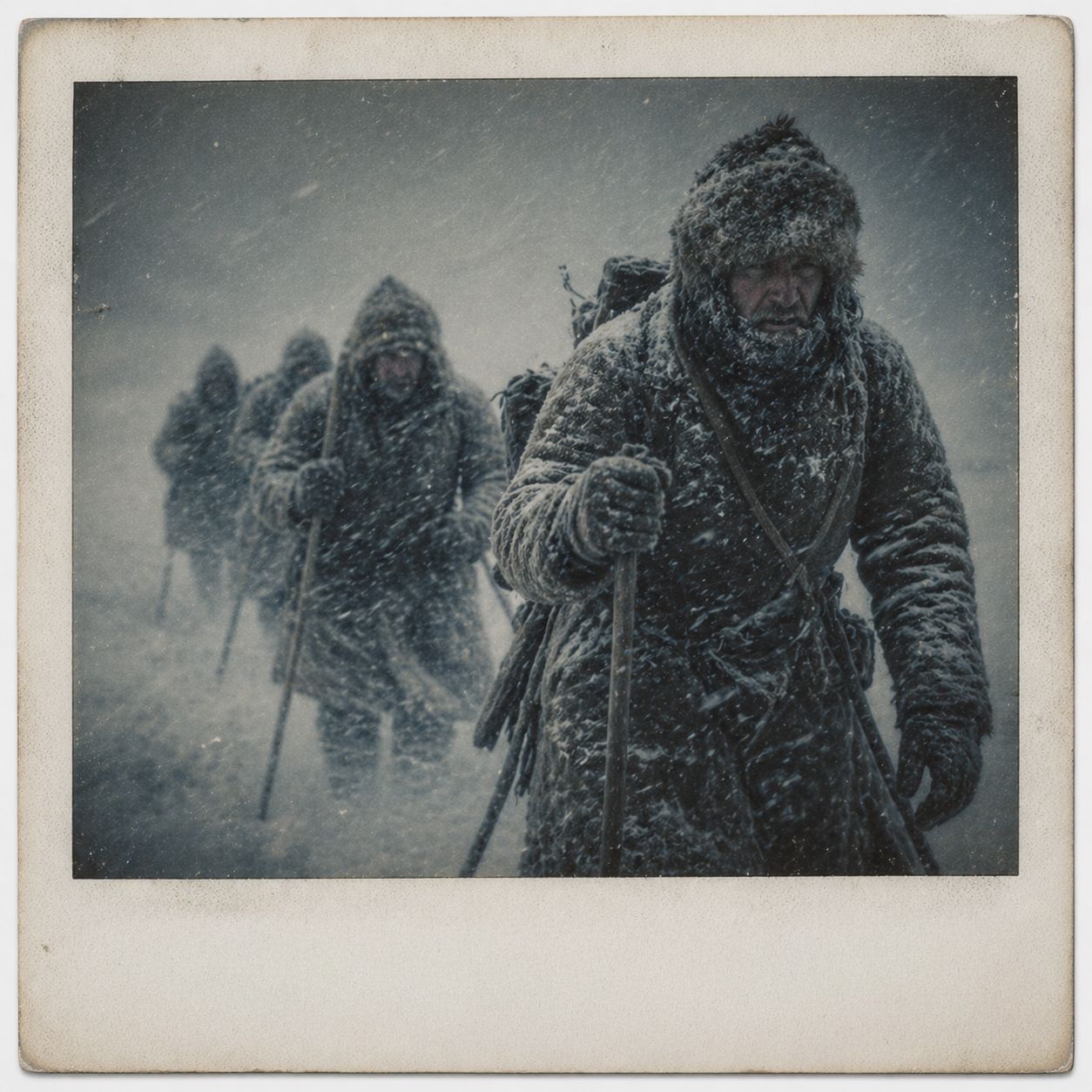
Progress wasn’t about planning; it depended on the weather and survival became the only priority. Lincoln highlights how ice and weather repeatedly disrupted travel and put explorers in dangerous situations (Lincoln 1993, 109).
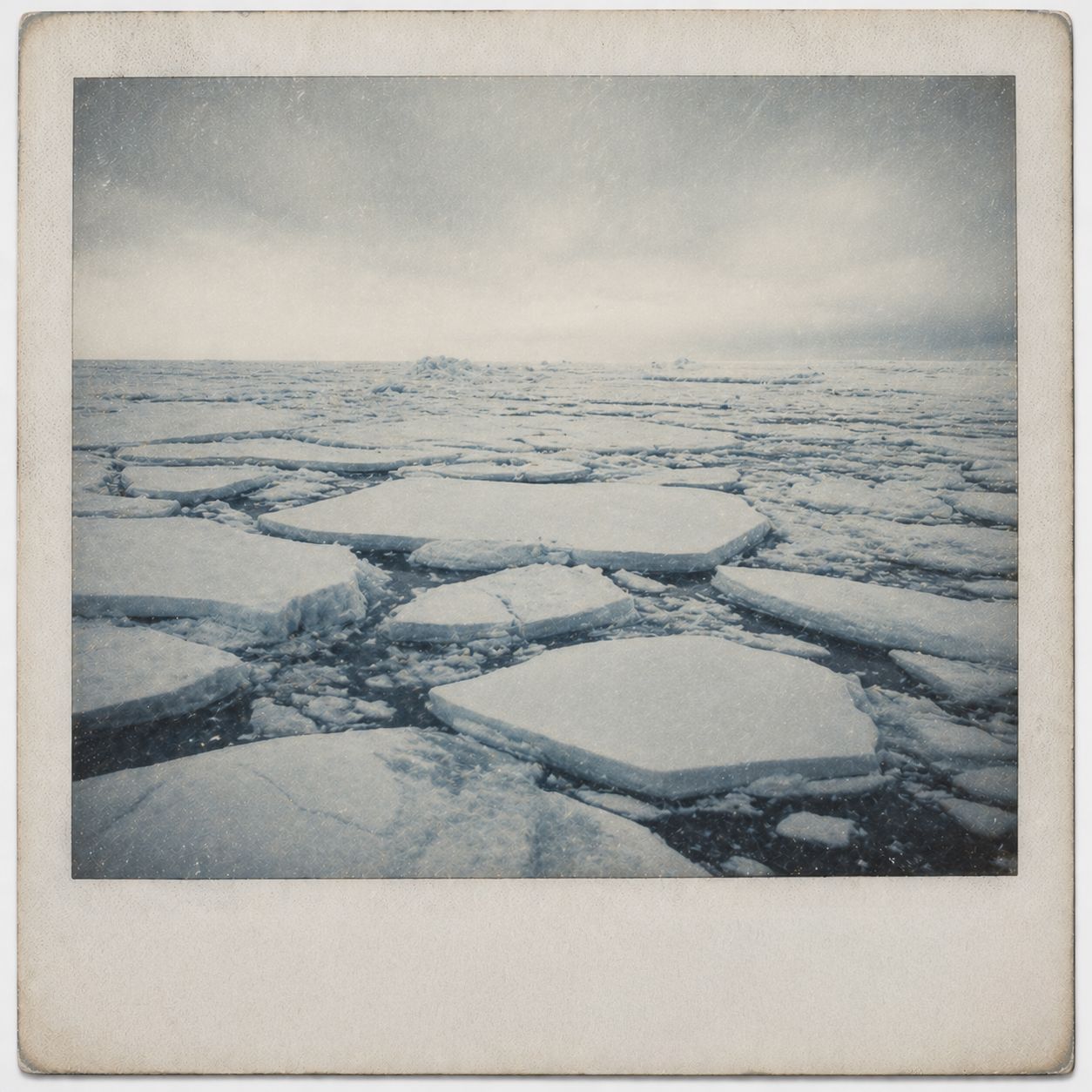
Ice covered the region for most of the year, only breaking apart briefly in the summer. Even then, it never fully disappeared, just enough to make movement barely possible. "Storms and ice “drove his ship back,” forcing explorers to retreat instead of continuing forward (Lincoln 1993, 112–113)."
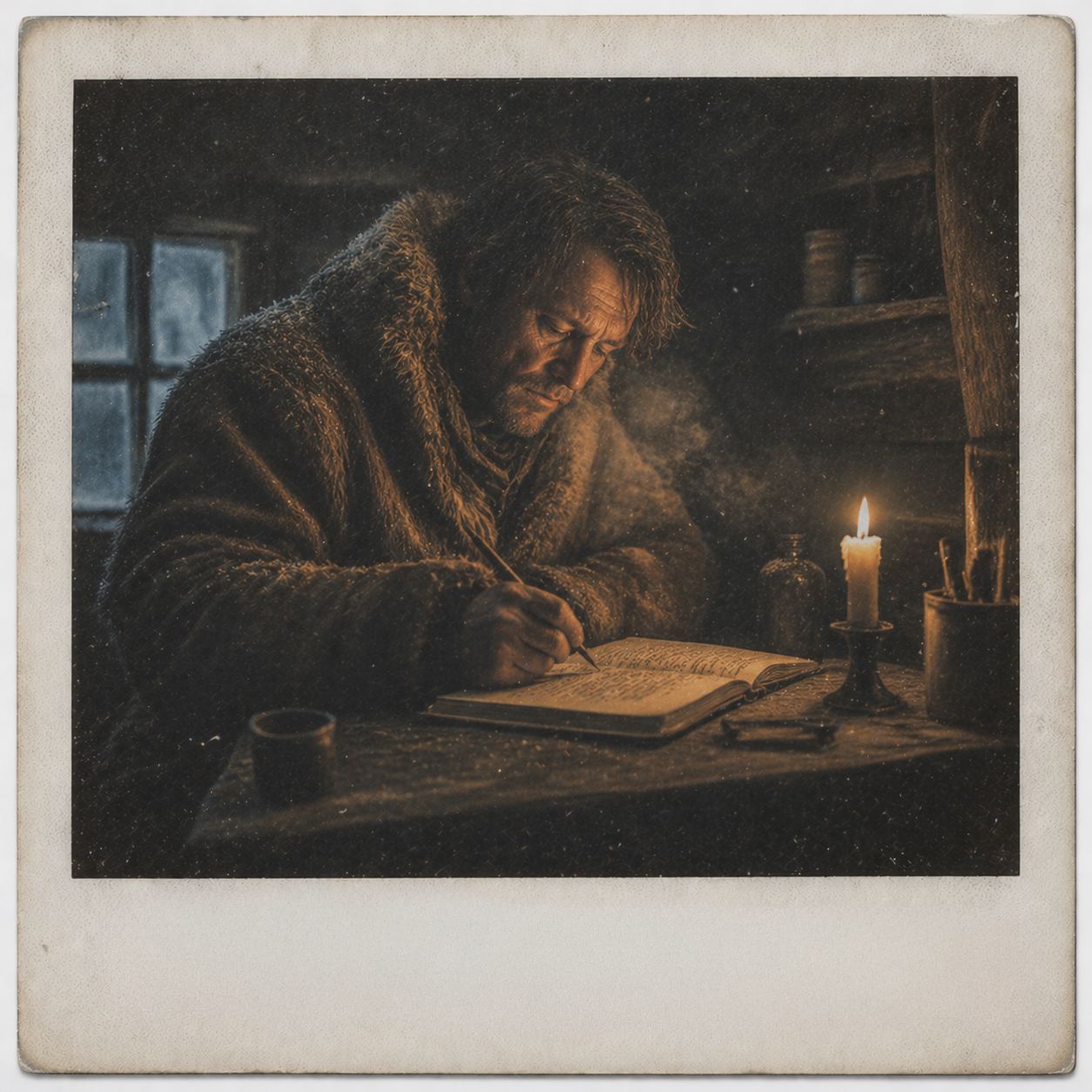
Even documenting the expedition meant working through the cold, and that meant possibly losing dexterity to perform simple tasks such as writing.
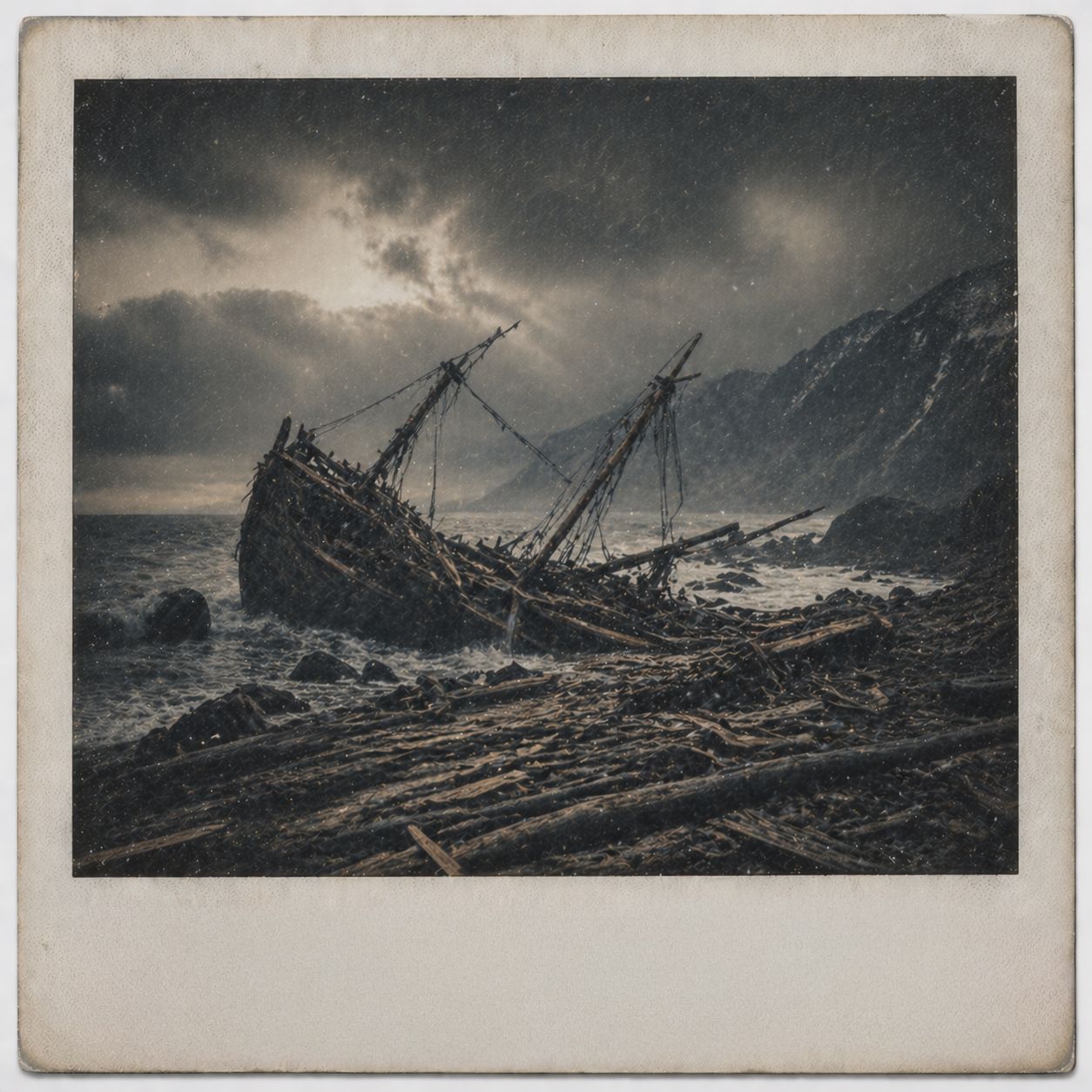
The environment didn’t just slow things down, it pushed explorers backward. Storms and ice could undo weeks of progress in a matter of hours. One example describes how a storm drove a ship into the shore, leaving “nothing but planks” behind and ending any chance of continuing the mission (Lincoln 1993, 118).
Some efforts were described as hopeless, showing how much the environment worked against even the strongest attempts at exploration (Lincoln 1993, 115). Distance alone made control difficult, turning expansion into something far less predictable than it seemed on paper.
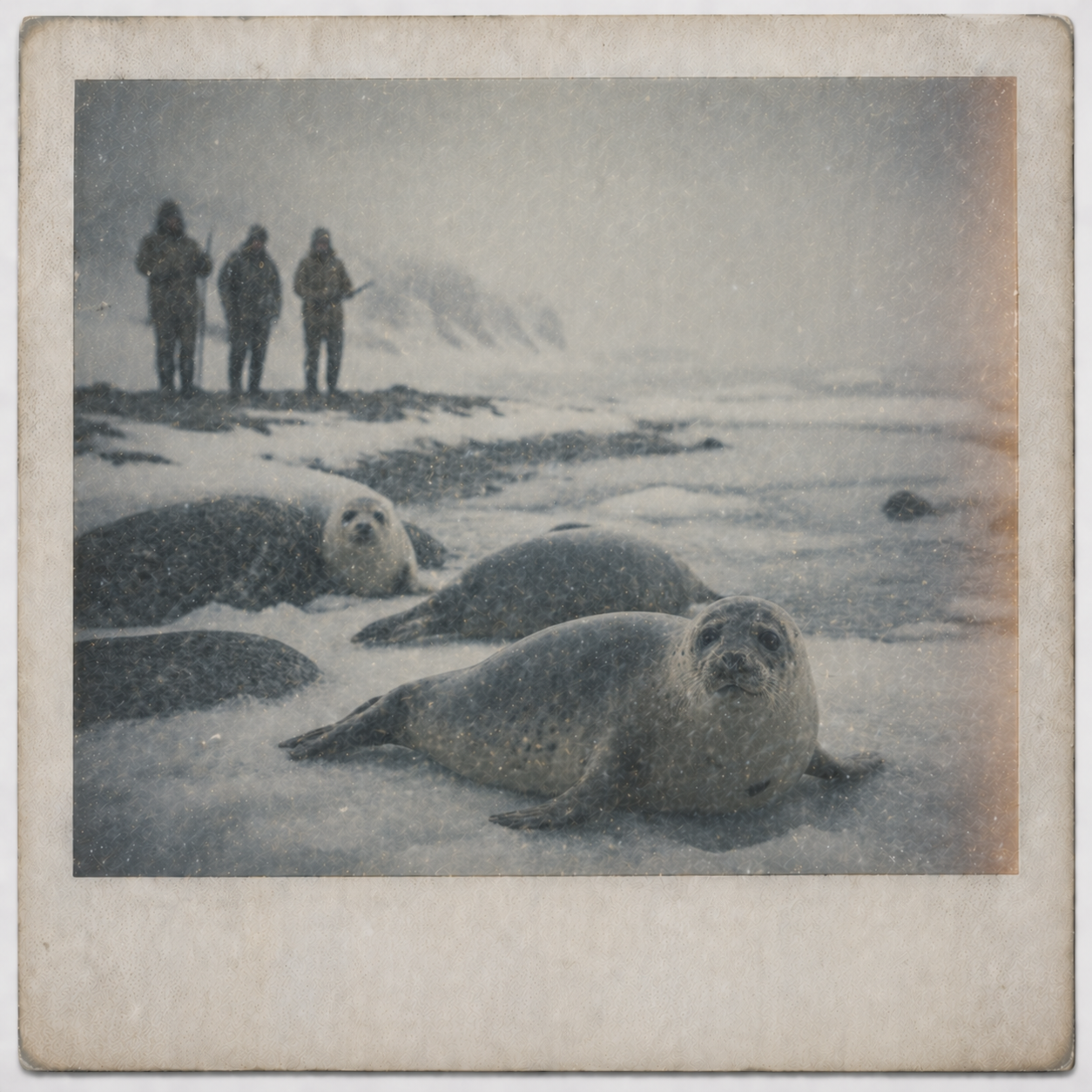
Instead of being just a background factor, the environment actively shaped what happened. This challenges the idea that expansion is only driven by human decisions and instead shows the powerful role of nature in history. The environment shaped what explorers could do and where they could go.
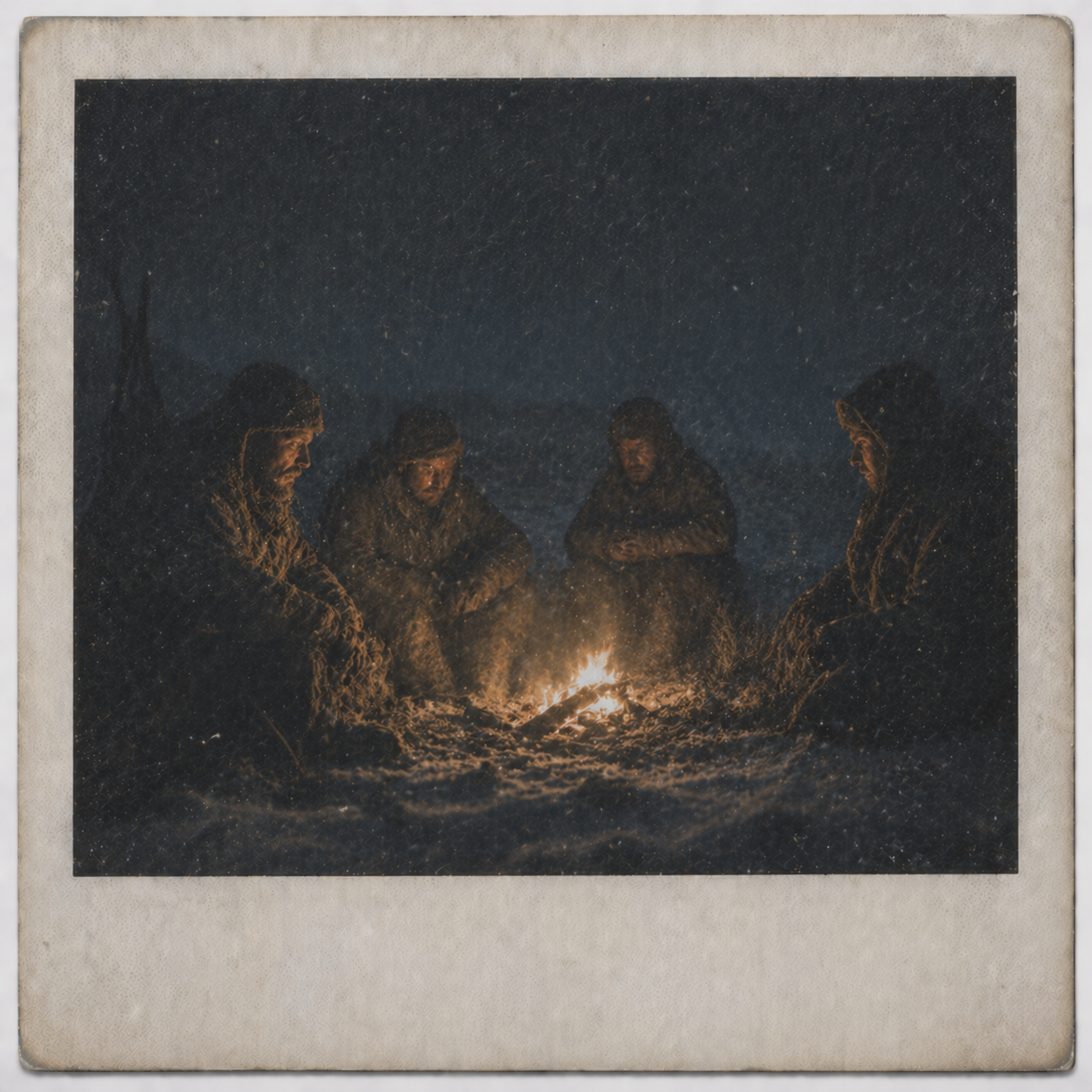
As conditions worsened, the goal of the expedition changed. Survival increasingly became more important than discovery, and every decision was made with that in mind. Lincoln describes how individuals were left “nearly at the mercy of the elements,” showing how little control they actually had (Lincoln 1993, 118).
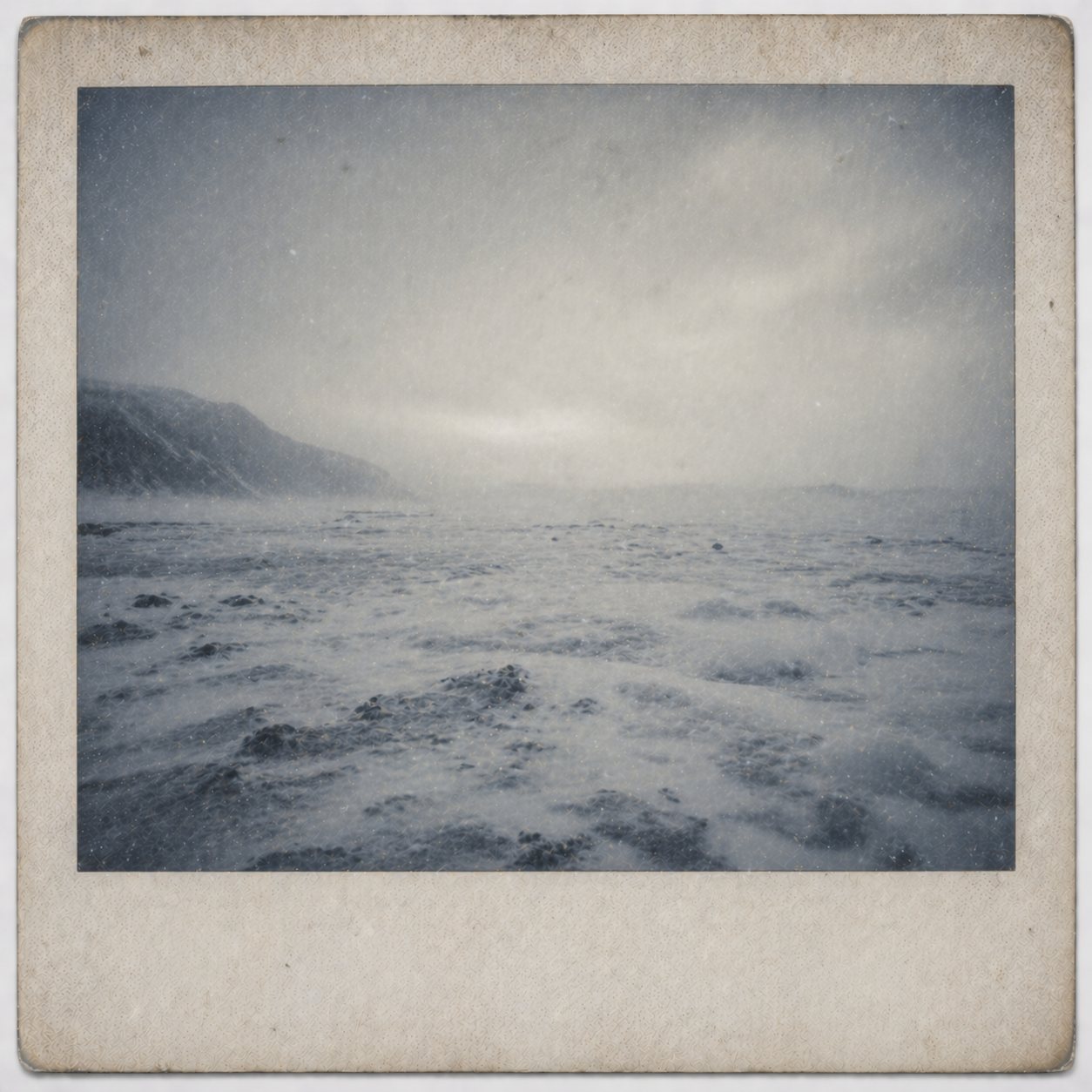
Storms and shifting ice made it clear that control didn’t belong to the empire, it belonged to the environment. What looked like open space could close off overnight, forcing retreat or complete standstill. The explorers could plan on utilizing space to travel and then experience another rough storm that prevents moving forward.
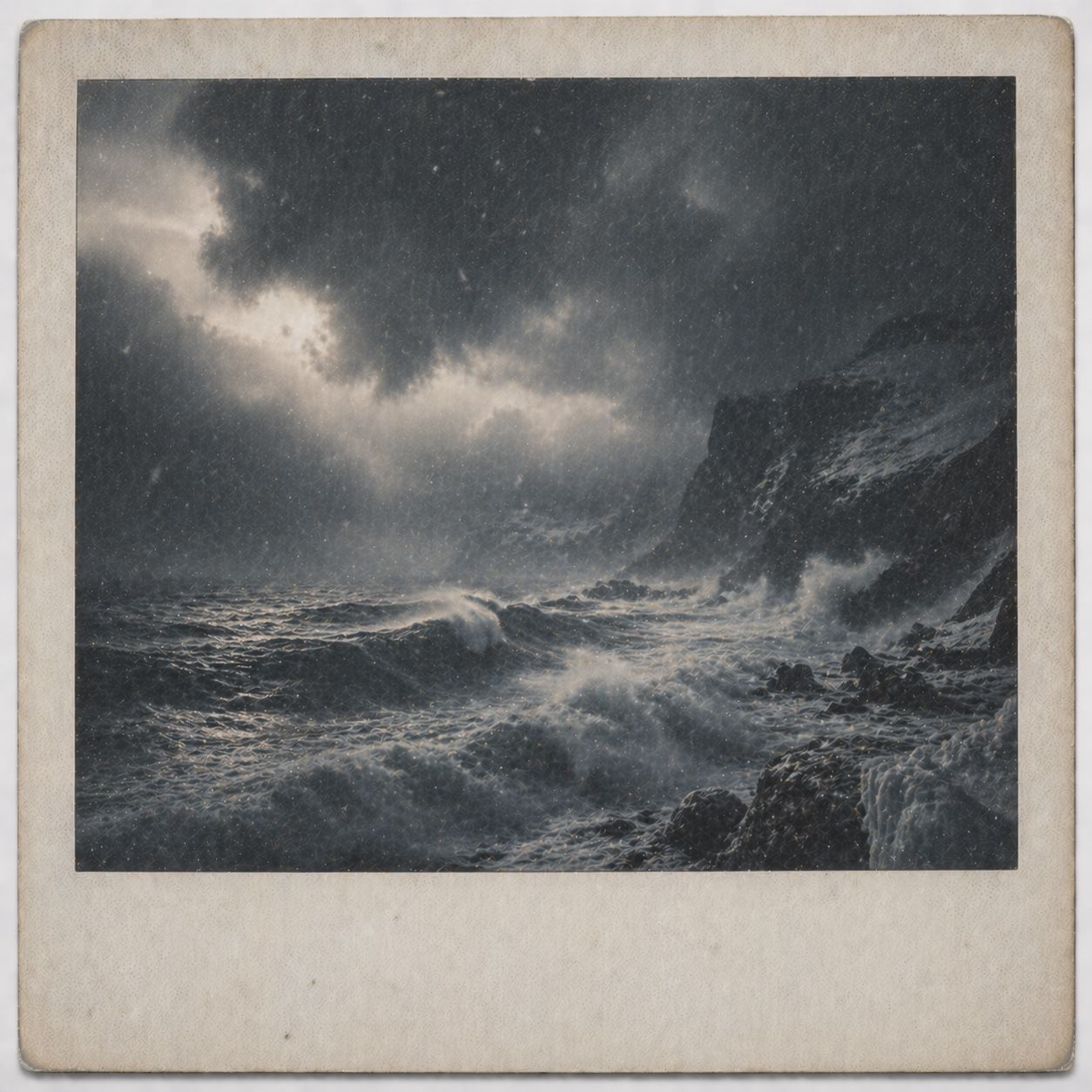
In the end, the environment decided everything. It was determined by whether the environment allowed it. This idea still matters today, since environmental conditions continue to influence exploration, resource use, and global politics. The history of Siberia makes it clear that human ambition is always limited by the natural world.